Japanese Martial Arts
Judo, Karate, Aikido, Kendo and the many paths of Japanese Budo.
24 articles

Japan ·1920s–1942 (official name)
Aikido — The Way of Harmonious Energy
Aikido is a Japanese martial art that seeks harmony over force — founded by Morihei Ueshiba as a synthesis of Daito-ryu, Zen philosophy and Omoto-kyo spirituality.
Japan ·1968 appointment · 1972 teacher's death · 1978 name in use
Bujinkan — the organisation, not the art
The umbrella for nine ryūha, headed by Masaaki Hatsumi. Its succession is documented, its ancestry is not — and both come from the same source.
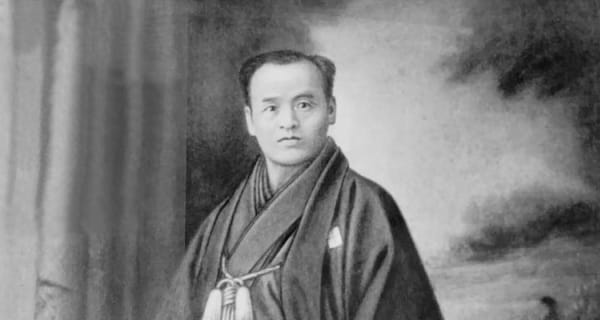
Japan ·Legendary: Heian period (11th century); historically systematized: late 19th / early 20th century
Daito-ryu Aiki-Jujutsu — The Source of Aikido
Daito-ryu Aiki-Jujutsu is the mother school of Aikido — the secret combat art of the Takeda clan, which Morihei Ueshiba transformed into Aikido and Choi Yong-sul carried to Korea as Hapkido.

Japan (Okinawa as origin) ·Okinawa: late 19th century; name given 1930; recognized as Budō in Japan 1933
Goju-ryu — Hard and Soft as Unity
Goju-ryu is the oldest and only officially Budō-recognized Karate style in Japan — founded by Chojun Miyagi, based on the principle that hardness and softness are inseparable.

Japan ·Origins mid-16th c.; name from 1932, seitei curriculum from 1969
Iaidō — The Art of the Draw
Iaidō is the Japanese art of cutting from the scabbard — solo forms with the sword, unified since 1969 by a standard seitei curriculum.

Japan ·1882
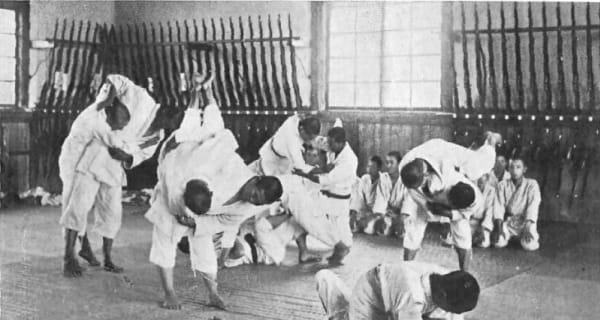
Judo — The Gentle Way
Judo is the martial art of the gentle way — founded in 1882 by Jigoro Kano, an Olympic discipline since 1964, built on maximum efficiency through throwing and groundwork.
Japan ·Nara period (710–794) first forms; Sengoku era (1467–1615) systematization
Jujutsu — The Original Martial Art of the Samurai
Jujutsu is the original unarmed combat system of the Japanese samurai — ancestor of Judo, Aikido, and Brazilian Jiu-Jitsu, built on the principle of yielding.

Okinawa (Ryūkyū Kingdom), later Japan ·Roots 15th–18th c.; modern form from 1900
Karate — The Empty Hand of Okinawa
Karate emerged on Okinawa from the fusion of an indigenous fighting tradition with Chinese systems — today the world's most widely practised unarmed martial art.
Japan ·Precursors 18th c.; name and modern form from 1920
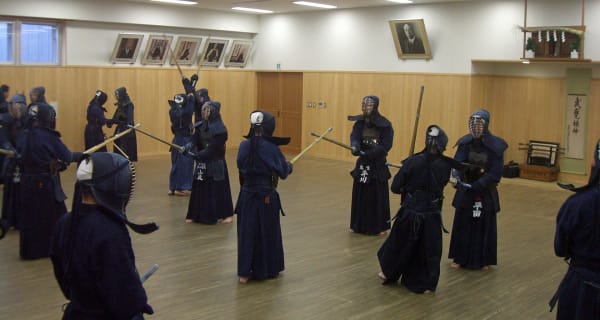
Kendo — The Way of the Sword
Kendo is modern Japanese swordsmanship with bamboo sword and armour — descended from the kenjutsu of the samurai, known by this name since 1920.

Japan ·Kamakura period (1185–1333); flourished in the Sengoku era (1467–1615)
Kenjutsu — The Classical Swordsmanship of the Samurai
Kenjutsu is the classical Japanese swordsmanship of the samurai — born in the Kamakura period, perfected in the Sengoku era, preserved today in over 500 schools.

Japan ·competitions from 1898, Kosen Taikai 1914–1944; succeeded by Nanatei Jūdō from 1952
Kosen Judo — Not the Ancestor of BJJ but Its Sibling
Maeda left Japan in 1904; the Kosen tournament began in 1914. Kosen judo cannot have produced BJJ.

Japan ·1953
Kyokushin Karate — The Way of Ultimate Truth
Kyokushin is the world's hardest full-contact karate style — founded by Mas Oyama in Tokyo in 1953 as a synthesis of Shotokan, Goju-ryu and Southeast Asian striking arts.
Japan ·Roots from the Yayoi period; name and modern form from 1919
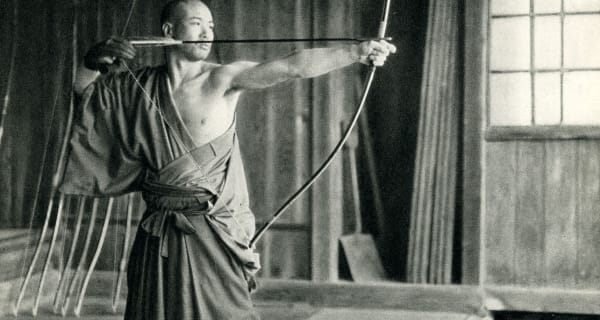
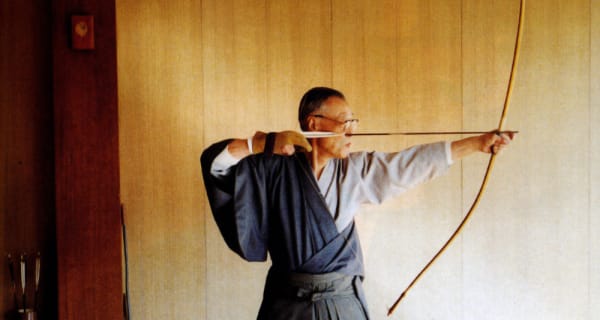
Kyūdō — The Way of the Bow
Kyūdō is Japanese archery as a way — descended from the war craft of kyūjutsu, known by this name since 1919, shot with the asymmetric yumi.
Japan ·Pre-Yamato period; first formal school: 12th century
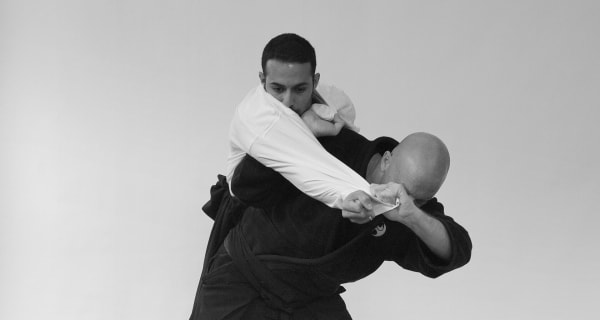
Kyūjutsu — The Japanese Art of Archery
Kyūjutsu is the Japanese martial art of archery — a millennia-old Shinto ritual and the samurai's primary battlefield skill, embodied in the asymmetric Yumi bow.
Japan ·Kamakura period (12th century); flourished in the Sengoku era (1467–1615)
Ninjutsu — The Hidden Art of the Shinobi
Ninjutsu is the Japanese combat and espionage art of the Shinobi — a system of concealment, deception, guerrilla warfare, and over 18 classical combat disciplines.

Ryūkyū Kingdom (today Okinawa, Japan) ·Transmission from Fujian from the 14th century; school teaching from 1901; renamed 1936
Okinawan Karate — a Trade Route, Not a Lineage
The three "te" are named after towns, and the towns stand for social classes. There is no clear evidence of separate schools — but there is for the channel.
China (Fuzhou, Fujian province), transmitted to Okinawa and Japan ·training 1897–1909; teaching in Japan from 1926; renamed 1940
Pangai-noon — the Name of a Transmission, Not of a Style
Kanbun Uechi's years in Fuzhou are precisely dated. The Chinese style he brought back has never been identified.

Japan (Okinawa as origin) ·Okinawa: study from 1903; 1934 official style in Japan
Shito-ryu — The Encyclopedia of Okinawan Karate
Shito-ryu is Karate's most Kata-rich school — synthesized by Kenwa Mabuni from Shuri-te and Naha-te, with the broadest Kata repertoire of all major styles.
Japan (Okinawa) ·19th century (Matsumura); name 1933 (Chibana)
Shorin-ryu — The Root of Modern Karate
Shorin-ryu is Okinawa's oldest living Karate tradition — direct continuation of Shuri-te, systematized by Matsumura Sōkon, the source from which all major modern styles flowed.
Japan ·October 1947 (Tadotsu, Kagawa Prefecture)
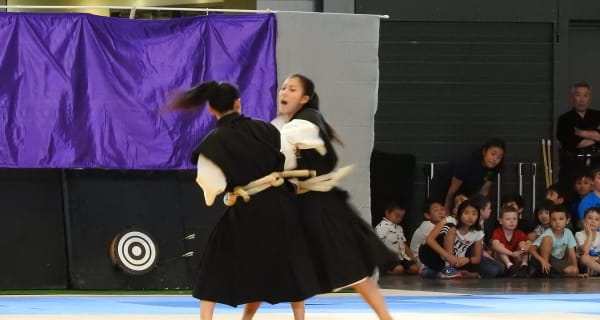
Shorinji Kempo — the Martial Art Registered as a Religion
Founded in Tadotsu in 1947, registered as a religious body in 1951. The legal form explains why there is no free fighting here.
Japan (Okinawa as origin) ·Okinawa: 19th century; Japan: 1922 (first public demonstration)
Shotokan Karate — The Way of the Empty Hand
Shotokan is the world's most widely practiced Karate style — brought from Okinawa to Japan by Gichin Funakoshi, named after his poet's pen name, today with tens of millions of practitioners.
Japan ·Yayoi period (~300 BCE); historically recorded from the Nara period (710–794)
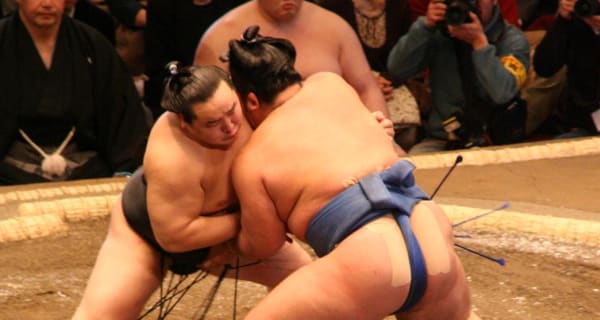
Sumo — Japan's Oldest Martial Art
Sumo is Japan's oldest martial art — over 2000 years old, deeply rooted in Shinto religion, and still one of the most fascinating cultural phenomena in the world.

Japan (Okinawa; origin China: Fujian) ·1897–1910 (study in China); 1924 (first school in Japan); 1940 (name Uechi-ryu)
Uechi-ryu — Okinawa's Hardest Karate Style
Uechi-ryu is Okinawa's hardest traditional Karate style — distilled by Kanbun Uechi in China from panther, crane, and dragon techniques, renowned for extreme body conditioning.

Japan ·1934 (first school); 1940 (official registration)
Wado-ryu — The Way of Peace in Karate
Wado-ryu is the third of the four major Karate styles — synthesized by Hironori Ohtsuka from Shotokan and Jujutsu, emphasizing evasion over blocking and harmony over force.