Striking
Punching, kicking, elbows, knees — striking arts compared.
12 articles

England ·rulesets 1743, 1838, 1867; last title fight 1889; re-legalised 2018
Bare-Knuckle Boxing — 1867 Removed Two Things, Not One
The Queensberry rules took the bare hand and the wrestling out of prizefighting. Whether the first was a safety gain is still disputed.
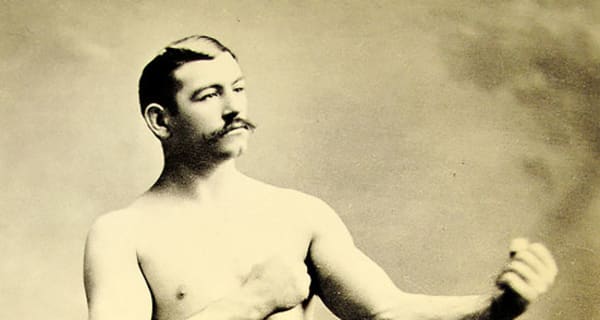
Ancient Mediterranean; modern form England ·Antiquity; modern rules from 1743, Queensberry 1867
Boxing — The Sweet Science
Boxing reduces combat to two fists and the space between them — the West's oldest organised striking art and the template for almost every modern ring sport.
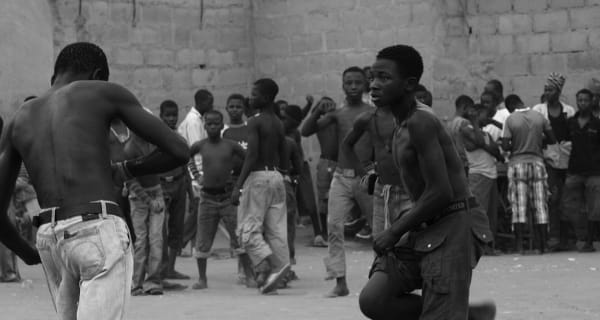
Nigeria (north), Niger, Chad ·Origin undatable; a guild practice of the Sahel, ethnographically documented since the 20th century
Dambe — One Hand Is the Spear, the Other the Shield
The Hausa fist fight divides the hands instead of mirroring them. One strikes, the other keeps the opponent at measured distance.
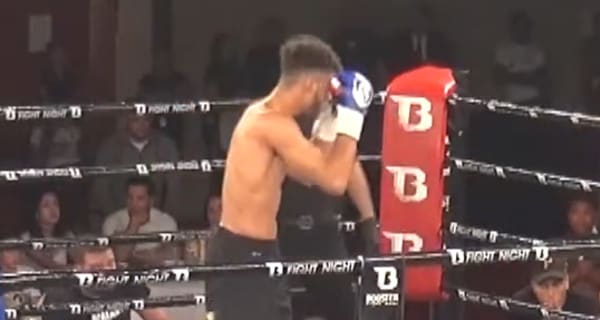
Japan, in parallel the USA ·From 1959; ruleset 1966; K-1 from 1993
Kickboxing — Fist and Foot in the Ring
Kickboxing emerged in the 1960s from karateka's dissatisfaction with point fighting — boxing hands, karate kicks, and a ring instead of a mat.

Myanmar (historically: Burma) ·Pyu Empire (2nd century BCE–11th century CE); modern form from 1950s
Lethwei — Burmese Boxing with Nine Weapons
Lethwei is Myanmar's ancient combat art — bareknuckle, with headbutt as the ninth weapon, no points scoring, and victories only by KO or submission.

Thailand (historically: Siam) ·Sukhothai period (13th–15th century) and earlier; modernized 1930s under King Rama VII
Muay Boran — The Ancient Thai Combat System
Muay Boran is the ancient Thai combat system predating modern Muay Thai — with headbutts, hemp rope bandages and lethal techniques now forbidden in sport.

Thailand ·13th–16th century (origins); early 20th century (modern rules)
Muay Thai — The Art of Eight Limbs
Muay Thai is Thailand's national martial art — the art of eight limbs deploys fists, feet, elbows and knees as weapons, battle-tested across centuries of warfare and ritual combat.

Cambodia ·reliefs 12th–13th c.; modern form 20th c.; rebuilt from 1979
Pradal Serey — the Dispute Is About the Name, Not the Technique
Cambodia and Thailand argue over who owns this combat sport. Both claim something younger than the claim itself.

China ·1950s (PLA experiments); 1979 first official competitions; 2000s renamed to Sanda
Sanda — China's Modern Full-Contact Combat System
Sanda is China's official full-contact combat sport — developed from traditional Kung Fu and modern combat sport methodology by the People's Liberation Army, now an Olympic candidate.

France ·18th century (Marseille); formalized 1825; synthesis 1838
Savate — French Boxing with the Feet
Savate is Europe's only indigenous martial art using kicks as a primary tool — born in the harbors of Marseille, refined into an elegant dueling system with colored glove grades.
Philippines (Baras, Rizal Province) ·Pre-colonial; formalized 1958 (World Sikaran Brotherhood)
Sikaran — Philippine Foot Fighting from Baras
Sikaran is the Philippine art of foot fighting — practiced for centuries in the community of Baras, Rizal, with 90% leg techniques and the legendary Biakid kick as its signature.
Philippines ·1972 (public introduction)
Yaw-Yan — The Filipino Dance of Death
Yaw-Yan is the Filipino 'Dance of Death' — developed in 1972 by Napoleon Fernandez, with 40 fundamental kicks and bolo knife-like arm techniques, it dominated the Philippine kickboxing scene.