Tessenjutsu — The Art of the Iron Fan
Tessenjutsu is the Japanese art of the iron fan — the samurai's most elegant solution for situations where the sword was forbidden but danger remained.
Lineage
Contents
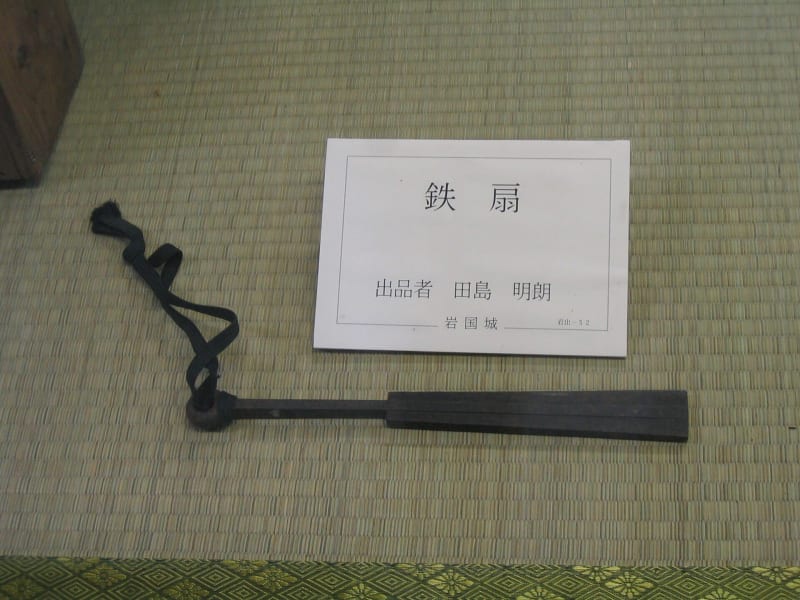
Tessenjutsu (鉄扇術, “art of the iron fan”) is one of Japan’s most unusual martial arts — the art of fighting with a fan. Not just any fan, but the Tessen (鉄扇): a massive fan with iron ribs or made entirely of iron, which looks like an ordinary court accessory but serves as a striking weapon, shield, and lever instrument. The Tessen was the solution to a specific problem of feudal Japan: in courts, castle halls, and during audiences, carrying swords was forbidden or improper — but dangers remained. The fan that every dignitary carried became the concealed weapon. Tessenjutsu arose from the synthesis of Kenjutsu and Jujutsu principles, adapted to an inconspicuous object. The art is rare, mysterious, and preserved to this day by few masters.
History
Fans in Japan (Sensu) exist since the Heian period (794–1185) and were primarily status and ceremonial objects. Samurai and high officers carried them to give commands on the battlefield — less for fighting.
The first mythological mention of a fan weapon: Minamoto no Yoshitsune (1159–1189), the legendary general, reportedly deflected an attack with an iron fan. Whether historical or not — the story established the Tessen as a potential weapon.
In the Edo period (1603–1868), practical necessity became acute: the Tokugawa government strictly controlled weapon-carrying; in castle chambers and among courtiers, the sword was often taboo. Samurai who had to appear at political gatherings without a sword needed alternatives.
Kurume Heinai Nagamori — a samurai and student of Yagyū Munenori (the shogunate’s swordsmanship master) — formalized Tessenjutsu in the early Edo period as an independent system. He integrated Kenjutsu principles (cutting and thrusting movements), Jujutsu levers, and Atemi techniques into fan use.
The Tessen
The Tessen existed in several forms:
| Type | Material | Function |
|---|---|---|
| Gunbai Uchiwa | Solid iron fan | Military commander’s baton, not folding |
| Tetsu-ogi | Folding fan with iron ribs | Concealed weapon, resembles ordinary fan |
| Full-metal Tessen | Entire fan from iron | Offensive and defensive, no paper |
Weight of a combat Tessen: 200–700 grams. With this it can parry blades, strike vital points, and serve as a lever arm in Jujutsu techniques.
Core Techniques
Tessenjutsu integrates techniques from several areas:
Striking techniques:
- Open fan as striking surface against head, throat, wrists
- Closed fan as truncheon — Tsuki (thrust) to vital points
Defensive techniques:
- Parrying sword blades with the iron fan or redirecting them
- Open fan as shield surface
Joint locks:
- Tessen between attacker’s finger and wrist for immediate control
- Combination with Jujutsu throws
Tactical uses:
- Open fan as distraction → counter-attack
- Fan in opponent’s eyes (sand, dust, air)
- Fan surface reflects light
Philosophy
Tessenjutsu embodies the Bushido principle of the prepared mind: display dignity outwardly — and yet always be ready. The Tessen is a metaphor for this dual life of the samurai: civil and yet armed, relaxed and yet vigilant.
Minamoto no Yoshitsune is venerated as philosophical patron: achieving the maximum with minimal means.
“The most dangerous weapon is the one your enemy cannot see.” — Tessenjutsu teaching maxim
Connections to Other Martial Arts
- Kenjutsu — Tessenjutsu techniques directly mirror Kenjutsu cuts and parries; Kurume Heinai was a Kenjutsu master
- Jujutsu — lever techniques and Atemi derive directly from Jujutsu tradition
- Ninjutsu — concealed weapons are a core Ninjutsu principle; the Tessen is its courtly-acceptable expression
Today
Tessenjutsu is one of Japan’s rarest martial arts — hardly taught publicly, mostly preserved in private lineages. Some Ninjutsu schools (especially the Bujinkan) integrate Tessen techniques into their curriculum.
Iron fans are available today as collector’s objects and martial arts props — but the deep martial art behind them is transmitted by few masters.