Philosophy
Bushido, Zen, Do — the spiritual foundations of martial arts.
14 articles

Japan ·Meiji era (1868–1912)
Budo — The Way as Destination
Budo is the philosophy of the Japanese martial way — the transformation of Bujutsu, the art of war, into a path of character and personal development.

Japan ·Edo period (17th–19th century) · codified 1900
Bushido — The Way of the Warrior
Bushido is the samurai code of honour — a canon of courage, loyalty and honour that continues to shape Japanese culture, martial arts and aesthetics to this day.

Fudoshin — The Immovable Mind
Fudoshin is the immovable mind — the inner stability that is shaken neither by danger nor by praise, neither by pain nor by success, remaining centered through all circumstances.

Japan / China / India ·Ancient (documented over 2,000 years ago)
Ki, Chi and Prana — The Life Energy of the Martial Arts
Ki, Chi and Prana name the same phenomenon across three cultures — the life energy that all East Asian martial arts regard as their invisible foundation.
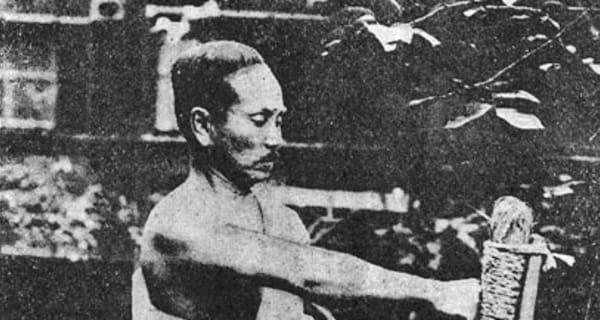
Kime — The Decided Moment
Kime means decision, not power. A decision became a muscular contraction — and it is exactly at this shift that the criticism begins.

Maai — Distance as a Measure of Time
Maai is usually translated as distance. The word means an interval in space and time — measured not in metres but in steps and fractions of a second.

Japan (via China / Chan Buddhism) ·13th–17th century
Mushin — The Empty Mind
Mushin, Zanshin, Fudoshin — the four mental states of the Japanese warrior describe the inner disposition that constitutes true mastery: emptiness as strength.

Reigi — The Form of Respect
The bow in the dojo is taken as an expression of respect. Historically it is courtly warrior etiquette — and practically it is a safety protocol.

Japan ·Zeami around 1400; the version current today from 1970
Shoshin — the Beginner's Mind That Exists Twice
Shoshin means "beginner's mind" — and two entirely different things. Zeami wanted you not to forget it. The West wants you to keep it.

Shu-Ha-Ri — The Three Stages of Learning
Shu-Ha-Ri describes three stages of learning: keep, break, leave. Its origin lies not in combat but in the way of tea — and the final stage is not freedom.
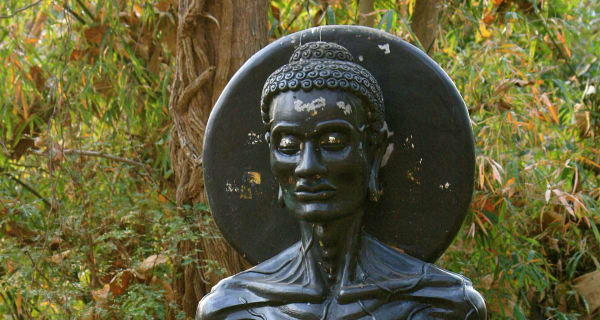
Shugyo — The Path of Austere Training
Shugyo is the Japanese concept of austere training — practice that extends far beyond sport and forges the spirit through physical hardship, as ore is refined into steel.

China ·term ancient; present form 20th century
Wu De — the Ethic That Governs Who Gets Taught
Wu De governs not how a warrior dies but whom a master teaches. And its tidy list of virtues is as young as Nitobe's bushido.

Zanshin — The Remaining Mind
Zanshin is the remaining mind after technique — that 360-degree alertness that does not end when the cut, throw, or arrow has been released, but stays present and aware.

Japan (via China) ·13th–17th century
Zen in Budo — Enlightenment Through Movement
Zen in Budo connects Chan Buddhism with martial practice — from Takuan Soho's sword letters to Herrigel's archery: enlightenment as the fruit of physical mastery.